
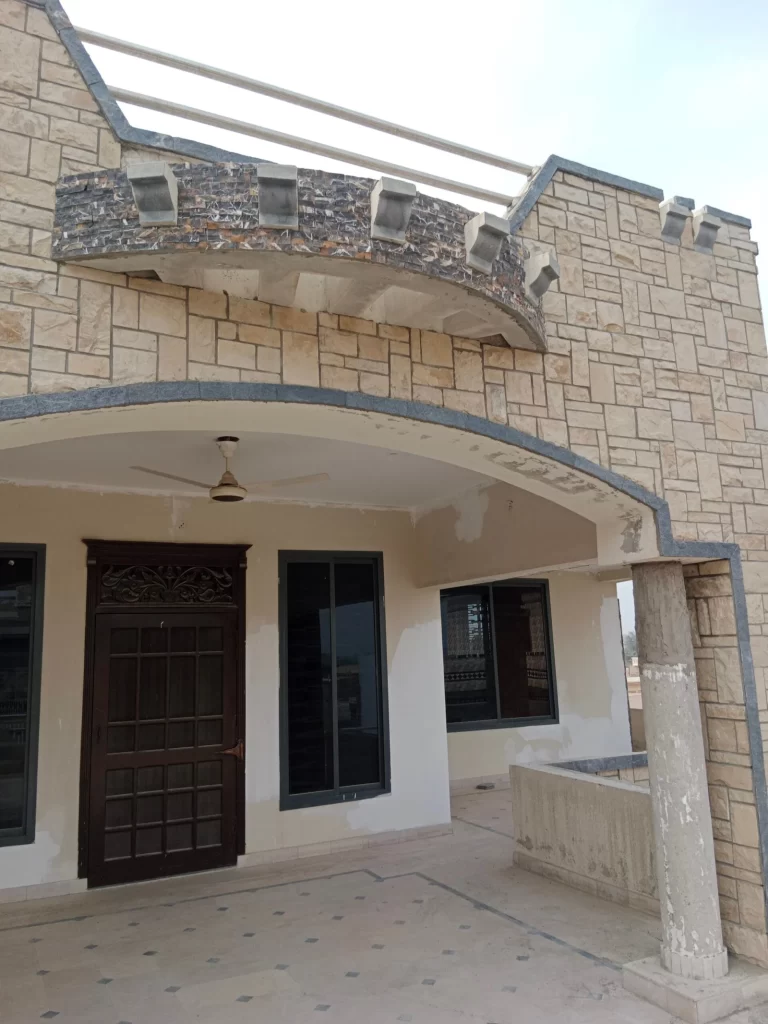
In an age of mass-produced ceramics and engineered quartz, there is a growing movement back to the earth. We are craving authenticity, texture, and the undeniable soul that only nature can provide.
Enter the world of Natural Stones.
Whether you are building a farmhouse in the countryside or a modern minimalist loft in the city, natural stone elevates a space from “built” to “grown.” Today, we are diving deep into one of the most revered materials in South Asian architecture—Chakwal Stone—and pairing it with other global favorites to help you design a timeless home.


If you haven’t heard of Chakwal Stone yet, you are about to see it everywhere. Originating from the Chakwal district in Punjab, Pakistan, this limestone is a designer’s dream.
Why it stands out:
Unlike uniform tiles, Chakwal stone is prized for its organic beauty. It usually comes in shades of beige, gold, dusty rose, and soft grey, often featuring fossilized imprints (shells and marine life) that tell a story millions of years old.
Best uses for Chakwal Stone:
Flooring: It creates a seamless, calming flow. Because it is a limestone, it stays cool in the summer and can be paired with underfloor heating in the winter.
Feature Walls: A single wall of Chakwal stone in a living room adds instant texture without being too loud.
Fireplace Surrounds: The rustic edges of hand-chiseled Chakwal blocks look incredible around a fire.
Pro Tip: Chakwal stone looks best when finished with a matte sealer. Avoid high-gloss polishes; you want to keep that raw, earthy look.
While Chakwal is a star, your home might need a supporting cast. Here are four other natural stones that pair beautifully with it, or stand strong on their own.
The workhorse of natural stones. Slightly denser than Chakwal, Kota is famous for its dusty blue-grey hue.
Best for: High-traffic areas like hallways and kitchens.
Vibe: Understated elegance.
The rugged adventurer. Slate is metamorphic, meaning it is tougher than Chakwal. It comes in deep charcoals, greens, and purples.
Best for: Outdoor patios and mudrooms. It is naturally slip-resistant when split.
Vibe: Dramatic and moody.
The Roman classic. Travertine has characteristic pitted holes and a honeycomb texture.
Best for: Bathrooms and pool surrounds. It has a softer, warmer touch underfoot than marble.
Vibe: Mediterranean luxury.
The modern choice. This volcanic stone is very dark (almost black) and extremely dense.
Best for: Modern kitchen islands or accent walls to contrast with lighter Chakwal floors.
Vibe: Sleek and powerful.
The Living Room
Combine a Chakwal stone floor with a Basalt coffee table. The contrast between the warm beige floor and the dark, hard table creates visual tension and interest.
The Bathroom Spa
Use Travertine on the walls and Chakwal mosaic on the shower floor. The soft rose undertones of the Chakwal will warm up the cool travertine.
The Outdoor Veranda
Slate is the undisputed king of the outdoors. Use it for steps, then use rough-chiseled Chakwal blocks for the garden seating wall.
Let’s be honest—natural stone isn’t laminate. You can’t abuse it.
Seal Everything: Chakwal stone and limestone are porous. You must seal them upon installation and every 1-2 years after.
pH Neutral Cleaners: Never use vinegar, bleach, or lemon on these stones. It will etch (burn) the surface. Use a specific stone soap.
Embrace the Patina: Natural stones will scratch and change color over time. Don’t fight it. This “wear” is called patina, and it is the very definition of character.
If you are renovating your home for resale value only, buy porcelain. But if you are building a home for your soul—a place that feels grounding, historical, and solid—you need natural stone.
Chakwal stone offers a warmth that grey Italian marble cannot. It feels local, honest, and deeply beautiful. Pair it with slate for the outdoors or travertine for the bathroom, and you will have a home that feels less like a showroom and more like a sanctuary.
Are you team Chakwal or team Marble? Let us know by clicking on WhatsApp Icon in the right corner!